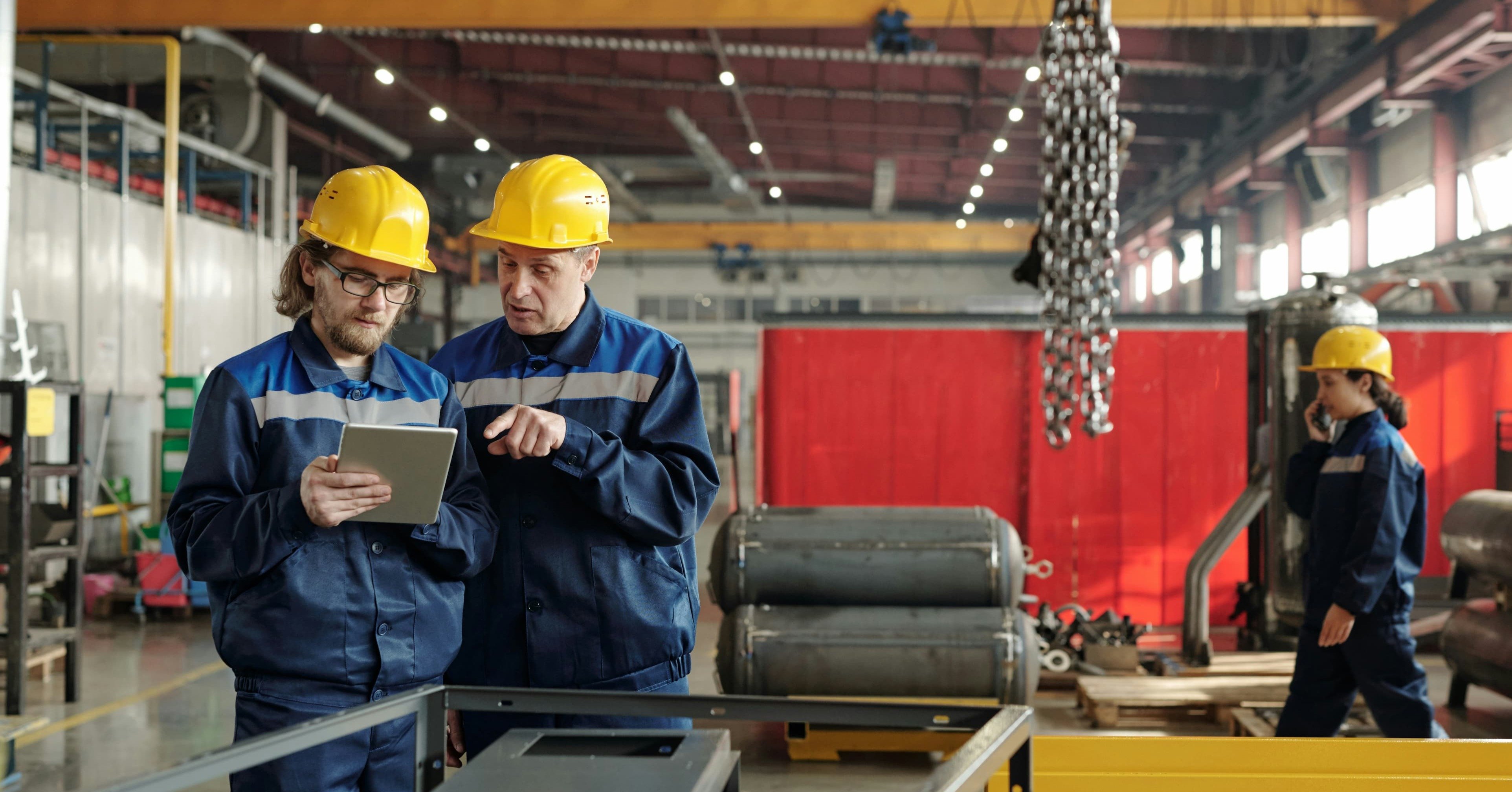
If you’re searching for a job, you may see listings for both warehouse and factory positions that don’t require prior experience. Sometimes, these are even in the same building.That can make it hard to understand what each job actually involves.
A question you might ask is: What is the difference between warehouse and factory jobs?
The short answer is this: factory jobs focus on making products, while warehouse jobs focus on storing, organizing, and moving parts or finished goods.
Both jobs often offer entry-level positions, involve physical work, and provide on-the-job training. But the day-to-day tasks, work environments, and schedules can feel very different.
Below is a breakdown of the key differences to help you decide which type of job is the better fit for you.
What is the Key Difference Between Warehouse and Factory Jobs?
The main difference between warehouse and factory jobs is where they fit in the supply chain.
Factory workers are responsible for producing goods. They assemble products, operate machinery, and check finished items to make sure they meet quality standards.
Warehouse workers handle receiving, storing, and distributing products or parts. They unload deliveries, organize inventory, pack orders, and prepare items for shipment.
In many organizations, factories and warehouses work closely together. Products may be manufactured in one part of a building and then stored or shipped from a warehouse area.
Warehouse Jobs vs. Factory Jobs: A Quick Comparison
| |
Warehouse Jobs
|
Factory Jobs
|
|
Main duties
|
Store, organize, and ship products
|
Produce or assemble products
|
|
Common tasks
|
Picking orders, packing boxes, loading trucks
|
Assembling parts, operating machinery
|
|
Work style
|
Walking, lifting, moving around the facility
|
Repetitive tasks in a production line
|
|
Work environment
|
Distribution centers and storage facilities
|
Manufacturing plants and production floors
|
|
Training & experience required
|
Typically on-the-job training
|
May require experience and on-the-job training
|
Warehouse Jobs: Overview, Duties, and Environment
Warehouse jobs cover a wide range of work related to receiving, storing, and distributing products.
These roles exist across many industries, including logistics, big-box retail, grocery distribution, manufacturing and fulfillment centers.
The most common tasks and daily job duties include:
- Loading and unloading trucks
- Organizing stock
- Packing and preparing items for shipping
- Maintaining a clean, safe workplace
- Verifying the contents of packages to ensure accuracy
- Identifying lost or missing merchandise
- Keeping an inventory control log updated
- Training new workers
What Do Warehouse Workers Do?
Warehouse work often requires standing, walking, lifting, and working on your feet for long periods. Workers may operate pallet jacks, scanners, or machines depending on the role. Some warehouses operate in climate-controlled environments, while others may be colder or warmer depending on the industry. For example, food distribution centers may include refrigerated areas.
Many warehouse roles offer flexible schedules, including part-time, weekend, or overnight shifts, which can appeal to workers looking for schedule variety.
Benefits of Warehouse Jobs
- Competitive pay
- Entry-level openings
- Flexible scheduling options
- Physically rewarding for active workers
Do You Need a Degree to Be a Warehouse Worker?
No. Most workhouse jobs don’t require a college degree, and some don’t require a high school degree. Most employers provide training and safety equipment.
Over time, warehouse workers can move into roles such as team leads, inventory specialists, forklift operators, or warehouse supervisors.
Related Content: What Kind of Work Can You Get in a Warehouse?
Factory Jobs: Overview, Duties, and Environment
Factory jobs, sometimes called manufacturing or production jobs, focus on making products.
These positions typically take place in manufacturing facilities with structured workflows and defined processes. These might take place in the same building that warehouse jobs do, or they might be in a separate location.
Factories may produce anything from electronics and automotive parts to food products and consumer goods.
The most common tasks and daily job duties in this role often include:
- Operating machinery
- Assembling products or components
- Completing quality control checks
- Following safety procedures
What Do Factory Workers Do?
Factory work is often repetitive and detail-oriented. Some roles involve standing or sitting in one place for long periods while performing the same task throughout a shift. Because machinery is often involved, factories typically have strict safety rules and training requirements.
Related Content: Find Factory Jobs Without a Diploma
Benefits of Factory Jobs
- Competitive pay
- Skill development
- Entry-level accessibility
- Predictable shifts and routines
Do You Need a Degree to Be a Factory Worker?
No. Like with warehouse jobs, most factory jobs don’t require a college degree and many don’t require a high school degree either. Factory jobs provide on-the-job training, especially for entry-level positions. Experience and familiarity with equipment may be a preferred qualification. Workers are trained on equipment use, safety standards, and production procedures specific to the role.
Related Content: 10 In-Demand Manufacturing Jobs That Don't Require a Degree
Warehouse Job vs. Factory Job: Which is Better for You?
Both jobs offer entry-level opportunities and on-the-job training. The right choice often comes down to your preferred work style, as well as your preferred shift options.
You might prefer a warehouse job if you…
- Like staying active and moving throughout the day
- Enjoy a variety of different tasks during a shift
- Prefer flexible schedules or overnight work
You might prefer a factory job if you…
- Are comfortable sitting for long periods of time
- Prefer a predictable routine with repetitive tasks
- Need day shifts
Whether you’re new to the workforce or looking for a change, both warehouse and factory jobs offer solid opportunities depending on your interests and work style.
Strom Engineering connects job seekers with warehouse, manufacturing, and grocery-related roles across the country. Browse our open jobs by industry to find a position that fits your experience, schedule, and goals.
Strom Engineering is a national staffing and recruitment agency, with a particular focus on manufacturing, engineering, assembly, and other trade positions. We match skilled candidates to temporary or project staffing positions. Learn more about how it works and check out our case studies for more information.