If you’re looking at production assembler jobs, you may be wondering what the work actually involves. Is it difficult? Do you need experience? What does a normal day look like?
Production assemblers play a key role in manufacturing. They help build the products people use every day by putting parts together, following clear instructions, and checking their work for quality. Below, you’ll learn what production assemblers do, what skills are needed, and what to expect on the job.
What Does a Production Assembler Do?
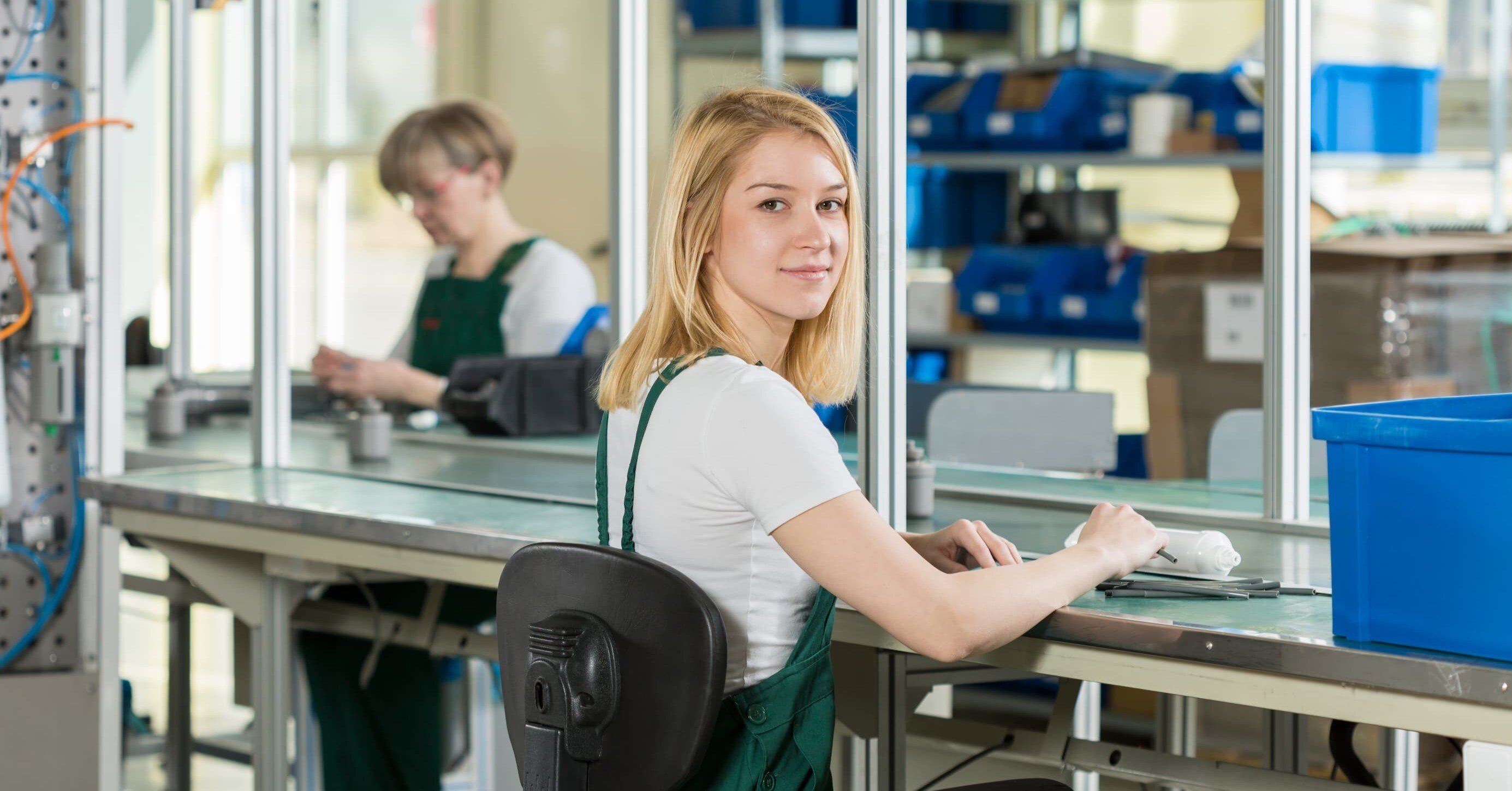
A production assembler builds products by putting parts together in a factory or warehouse.
They follow step-by-step instructions, use tools or machines, and check their work to make sure everything meets quality standards.
Production assemblers work in industries like manufacturing, food production, automotive, electronics, and packaging. If you like hands-on work and clear tasks, this role could be a good fit.
A production assembler is a worker who:
- Puts together parts to create finished products
- Uses hand tools, power tools, or machines
- Follows written instructions or diagrams
- Checks products for quality and safety
- Works as part of a team on an assembly line
Some assemblers focus on one step in the process. Others rotate between tasks depending on the company.
A production assembler is different from a standard assembler role in one key way: what is being assembled. A production assembler assembles various parts into a completed product, whereas a regular assembler may assemble specific parts at different stages. You can also think of a production assembler as the last step in the assembly line before a product is packaged and shipped.
What Are the Daily Duties of a Production Assembler?
Daily tasks may include:
- Reading work orders or blueprints
- Gathering parts and materials
- Assembling components using tools or equipment
- Testing finished products
- Reporting defects or problems
- Keeping the workspace clean and safe
Many production jobs follow a steady routine. You may repeat the same task for part or all of your shift. This helps improve speed and accuracy.
What Skills Do You Need to Be a Production Assembler?
Most production assembler jobs require practical skills, not advanced education.
Helpful skills include:
- Ability to follow instructions
- Basic math skills
- Good hand-eye coordination
- Attention to detail
- Ability to stand or sit for long periods
- Dependability and teamwork
Many employers provide on-the-job training. You do not need to know everything before you start.
Do You Need a Degree to Be a Production Assembler?
Most production assembler jobs do not require a college degree.
Some employers may ask for a high school diploma or GED, but not always. Many entry-level roles provide training. Experience in manufacturing or warehouse work can help, but it is not always required.
This makes production assembly a strong option for people looking to enter the workforce quickly.
What Is the Work Environment Like?
Production assemblers usually work in:
- Manufacturing plants
- Warehouses
- Production facilities
The environment may include:
- Standing or sitting for most of the shift
- Repetitive tasks
- Fast-paced production lines
- Noise from machines
- Wearing safety equipment such as gloves, goggles, or ear protection
Some facilities operate on first, second, or third shifts. Overtime may be available depending on demand.
How Much Does a Production Assembler Make?
Pay for production assemblers depends on location, experience, and industry. Nationally, production assembly roles average around $20-$25 an hour. Source: ZipRecruiter
Most positions offer hourly wages. Some companies offer overtime pay, shift differentials for overnight work, and opportunities for raises based on performance.
Is Production Assembly a Good Career?
Production assembly can be a good fit for people who:
- Prefer hands-on work
- Like clear expectations
- Want steady hours
- Are looking for entry-level opportunities
Experience on the floor often opens doors to higher-paying roles over time. Experience with production assembly can open the door to other opportunities like machine operator, quality control technician, or team lead.
Find Production Assembler Jobs with Strom Engineering
If you are looking for production assembler jobs, Strom Engineering works with manufacturing and industrial employers across multiple industries.
We hire seasonal, temporary, and long-term employees in our production and manufacturing industries. Ready to join our team?
Strom Engineering is a national staffing and recruitment agency, with a particular focus on manufacturing, engineering, assembly, and other trade positions. We match skilled candidates to temporary or project staffing positions. Learn more about how it works and check out our case studies for more information.